
How SCR Reduces NOx Emissions
Understanding the science behind Selective Catalytic Reduction and how modern systems are evolving to be safe, simpler and more efficient.
Whether you’re operating boilers, turbines, engines or process heaters, SCR remains one of the most effective technologies for achieving ultra-low NOx emissions and meeting today’s stringent environmental regulations.
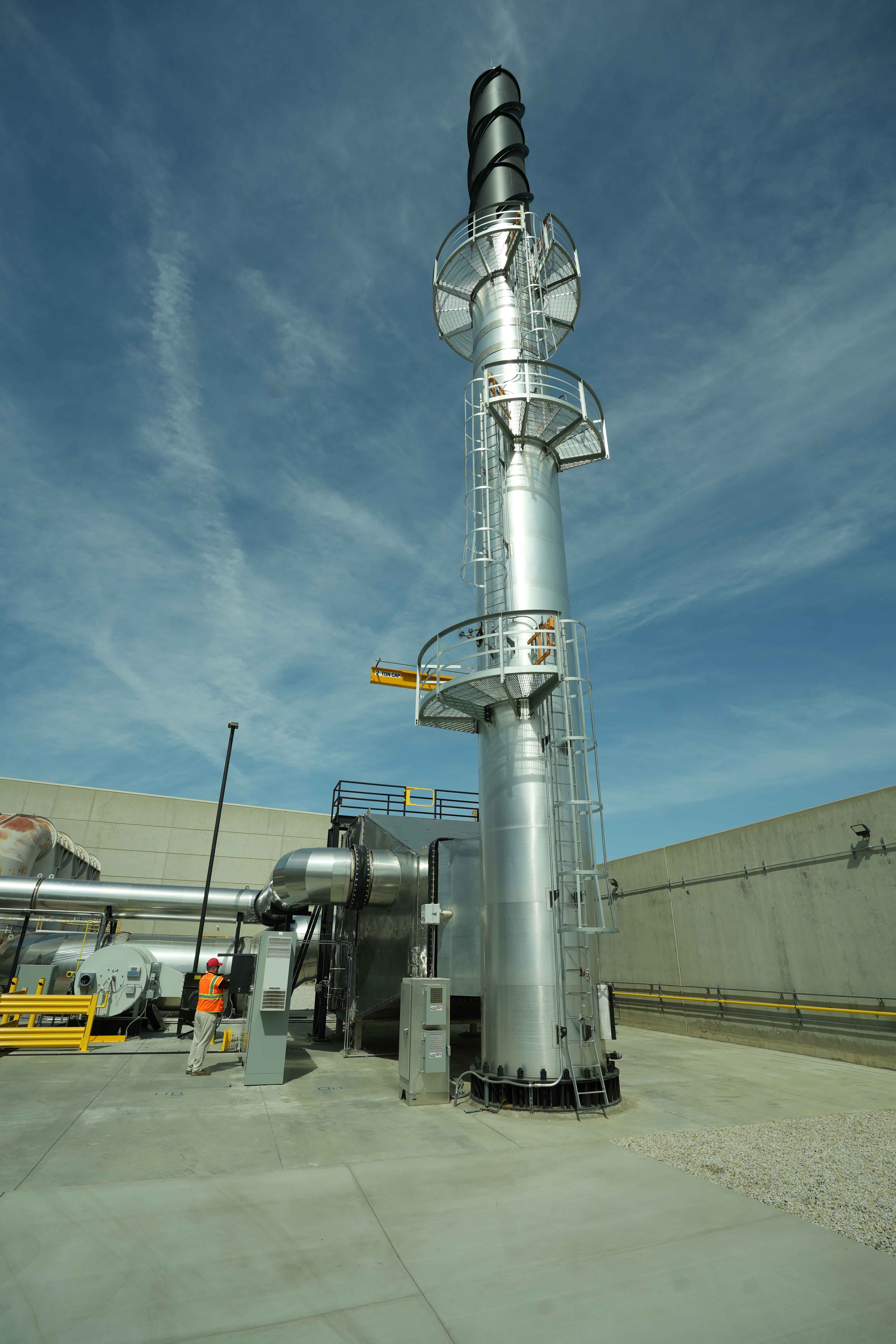
What is SCR?
Selective Catalytic Reduction (SCR) is an advanced emissions control technology used to reduce nitrogen oxides (NOx) from combustion processes.
NOx is a primary contributor to smog and air quality issues, and regulatory limits continue to tighten across industries. SCR systems are widely used in:
- Industrial and commercial boilers
- Gas turbines
- Reciprocating engines
- Process heaters and fired equipment
By converting NOx into harmless nitrogen and water, SCR plays a critical role in improving environmental performance while supporting reliable plant operations.
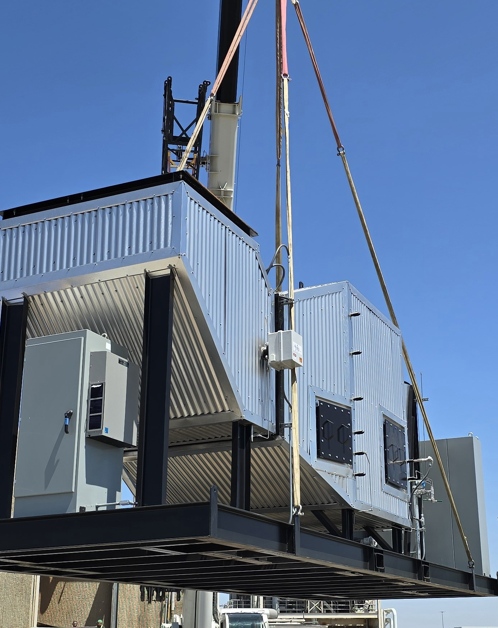
How SCR Works
SCR systems follow a straightforward chemical process to reduce NOx emissions:
- Flue gas enters the system after combustion
- A reagent is injected into the gas stream (typically ammonia or urea)
- The gas passes through a catalyst
- A chemical reaction converts NOx into nitrogen (N₂) and water vapor (H₂O)
In simple terms:
SCR reduces NOx emissions by injecting a reagent into flue gas, where a catalyst converts harmful pollutants into safe, naturally occurring compounds.SCR systems rely on a reagent to drive the NOx reduction reaction. The two most common options are ammonia and urea.
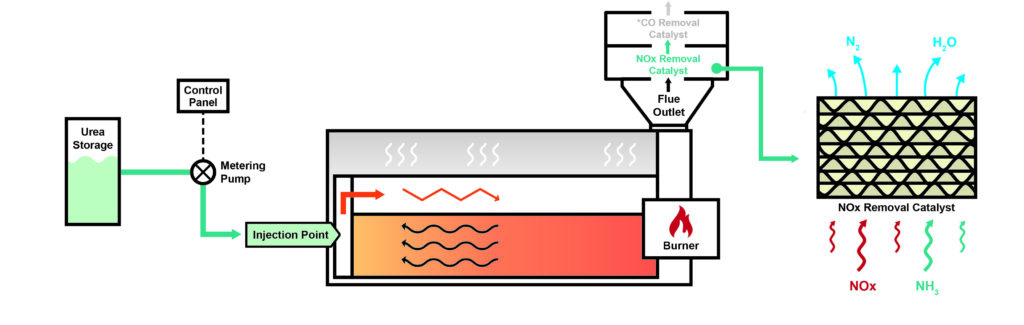
Selective Catalytic Reduction System
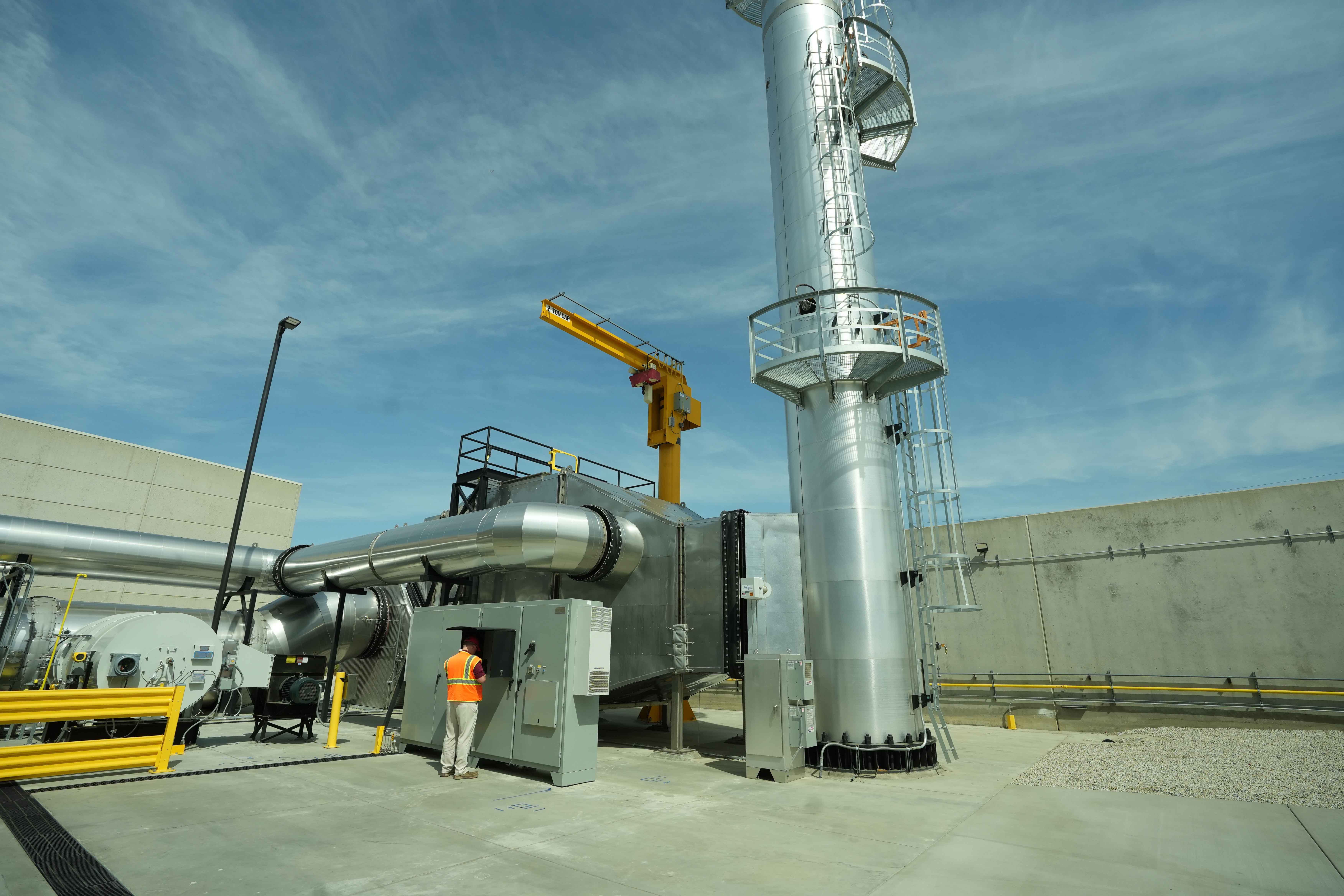
Reagent Options: Urea vs. Ammonia
SCR systems rely on a reagent to drive the NOx reduction reaction. The two most common options are ammonia and urea.
Ammonia-Based SCR
- Highly effective for NOx reduction
- Requires specialized storage and handling
- Subject to stricter safety and regulatory requirements
Urea-Based SCR
- Lower hazard classification
- Easier to store and transport Converts to ammonia within the system during operation
Both approaches are proven—but the right choice depends on your facility, safety requirements, and operational goals.
A Simpler Approach: Direct Urea Injection
Modern SCR systems are evolving to reduce complexity without sacrificing performance.
Direct urea injection systems—such as EcoCAT—introduce urea directly into the flue gas stream, where it thermally decomposes into ammonia for the SCR reaction.
This approach:
- Eliminates the need for bulk ammonia storage
- Reduces system complexity
- Simplifies installation and integration
- Maintains high NOx reduction performance
Rather than adding layers of infrastructure, direct urea injection offers a more streamlined path to emissions compliance.
Why It’s Simpler
In addition to safety advantages, modern SCR systems are designed for simplicity.
Key benefits include:
- Fewer system components
- Easier integration into existing equipment
- Reduced installation footprint
- Lower maintenance complexity
A simpler system often means:
- Faster deployment
- Lower lifecycle costs
- More reliable long-term operation
Matching the Right SCR Solution to Your Application
There is no one-size-fits-all approach to emissions control.
The right SCR system depends on factors such as:
- Equipment type (boiler, turbine, engine, heater)
- Available space
- Emissions targets
- Safety and regulatory requirements
- Retrofit vs. new installation
In some applications, traditional ammonia-based systems may be appropriate. In others, urea-based solutions provide clear advantages.
Our team works closely with you to evaluate your system and recommend the most effective, practical solution.
Where SCR Systems are Applied
SCR technology is used across a wide range of industries and applications, including:
- Steam and hot water boilers
- Gas turbines and power generation systems
- Reciprocating engines
- Industrial process heaters
- Manufacturing and processing facilities
This flexibility makes SCR one of the most widely adopted technologies for achieving ultra-low NOx emissions.
What You Gain
Implementing the right SCR solution helps your facility achieve:
- Compliance with stringent NOx regulations
- Ultra-low emissions performance
- Improved safety profile
- Simplified system design
- Long-term operational reliability
Let’s Find the Right Solution for Your Facility
Every system is different – the best solution starts with understanding your specific application.
Let’s Find the Right Solution for Your Facility
Every system is different—and the best solution starts with understanding your specific application.
Request a System Evaluation | Talk to an Emissions Specialist | Explore or SCR Solutions